Know what you can handle safely
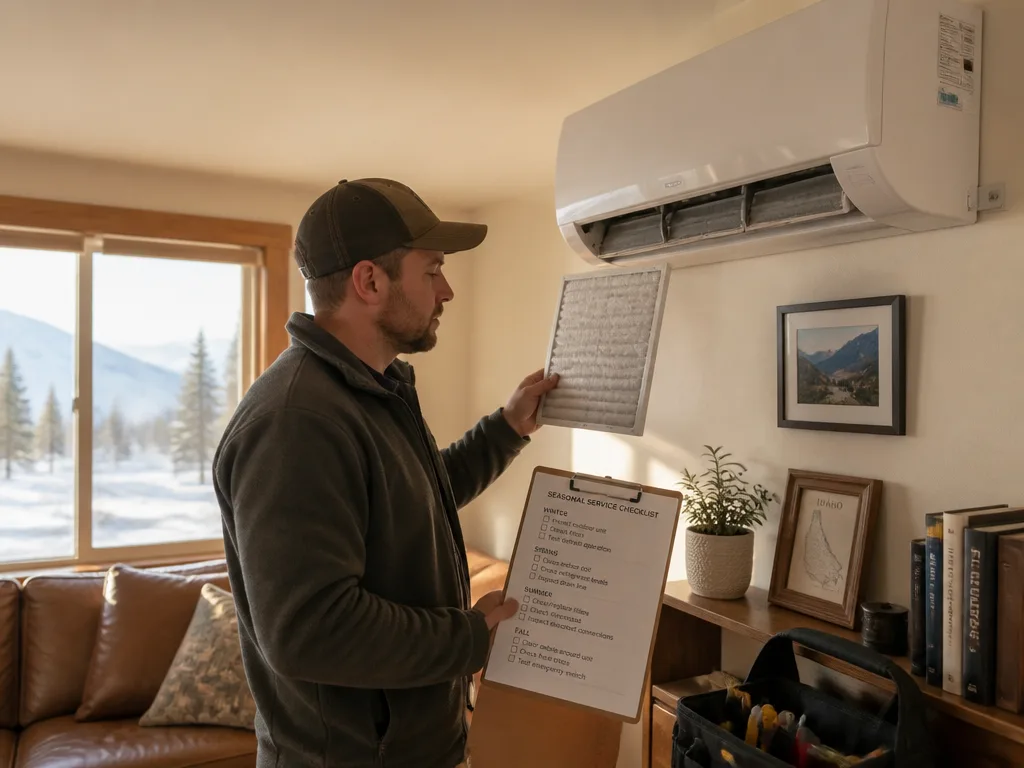
In Idaho, basic upkeep like changing filters, clearing nearby debris, and confirming the thermostat is set correctly are things homeowners can do. If you notice the unit is not turning on, trips breakers, or smells burnt, stop and call a professional. Electrical issues can be dangerous and lead to more costly problems.
Some simple tasks don't require a truck roll. If a system runs but isn’t delivering heat or cooling, you can check basic settings and ensure outdoor unit clearances are free from vegetation or snow buildup. Always turn off power when inspecting the unit up close.
What requires a trained HVAC technician
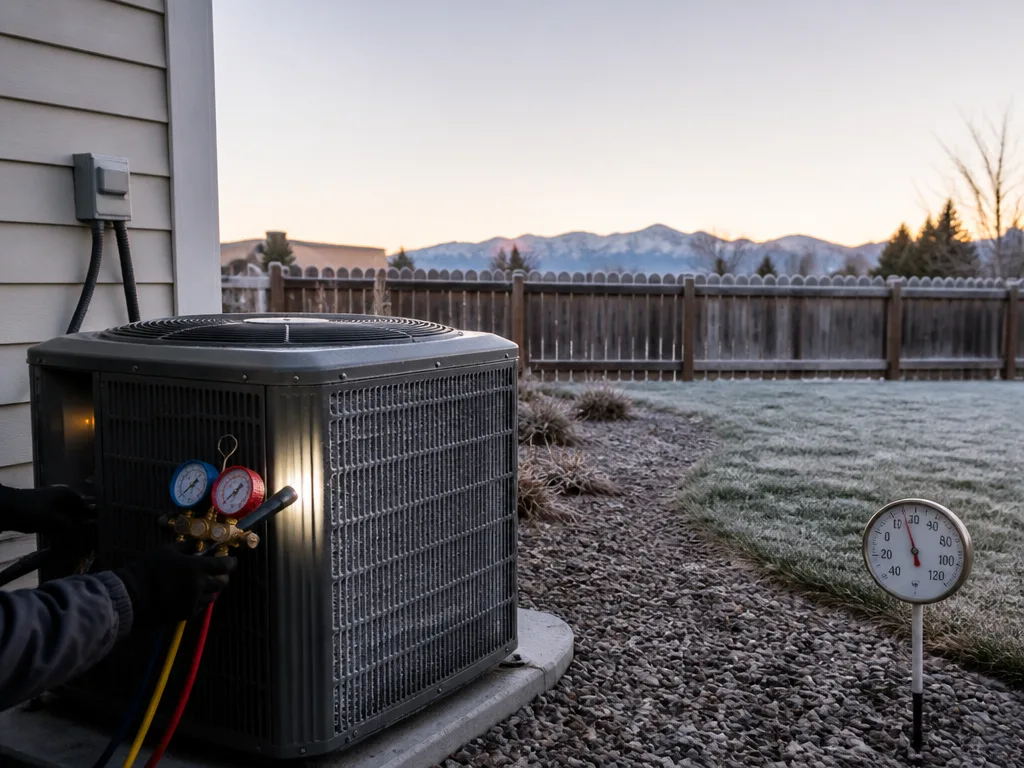
Refrigerant handling, electrical testing, refrigerant charge adjustments, and compressor work should be done by an HVAC technician. In Idaho, these tasks involve state-required safety practices and precise measurements. Attempting them without training can cause system damage or safety risks.
When a simple fix isn’t obvious, it’s time to bring in the pros. Our team at Idaho Heat Pump Repair uses diagnostic tools to read pressures, monitor electrical signals, and verify thermostatic controls. We operate statewide to service homes from the panhandle to the southern border, ensuring consistent standards and guidance.
How to decide when to call
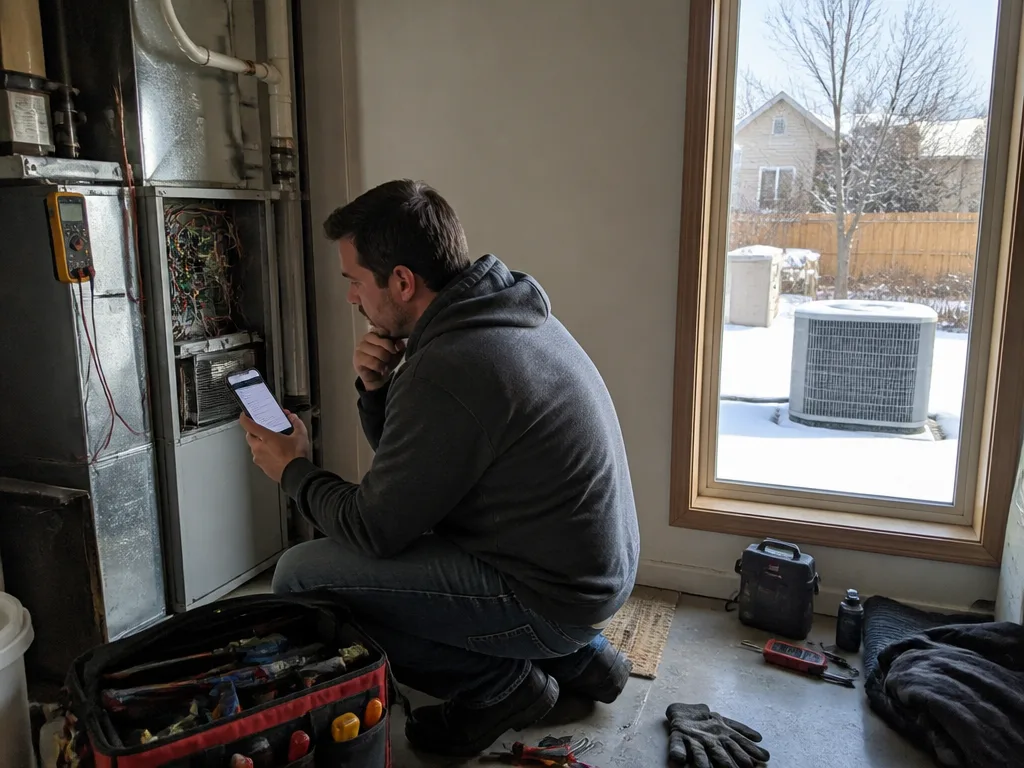
If you’ve tried the basics, the issue persists, or you notice unusual noises, call a pro. If the system is cycling on and off frequently, if you smell burning, or if the outdoor unit is iced up but won’t defrost, it’s a sign to bring in our crew. A professional assessment often prevents bigger problems and keeps your comfort consistent across Idaho.
When you contact Idaho Heat Pump Repair, share when you first noticed the issue, any recent weather changes, and whether the problem is seasonal. This helps our HVAC technicians pinpoint the cause faster and plan an efficient service visit for Idaho homeowners.
Practical guidance
Document any error codes you see and keep a log of temperatures and durations. If you’re comfortable, you can reset the thermostat to the factory default and reprogram it after a service call, but avoid changing wiring or components yourself. Simple, careful steps can save time and money while keeping you safe.